

News
Stay up to date with airport news
Bahia Has the First Airport in Brazil to Supply Commercial Flights with Sustainable Aviation Fuel (SAF)
26 de Novembro de 2025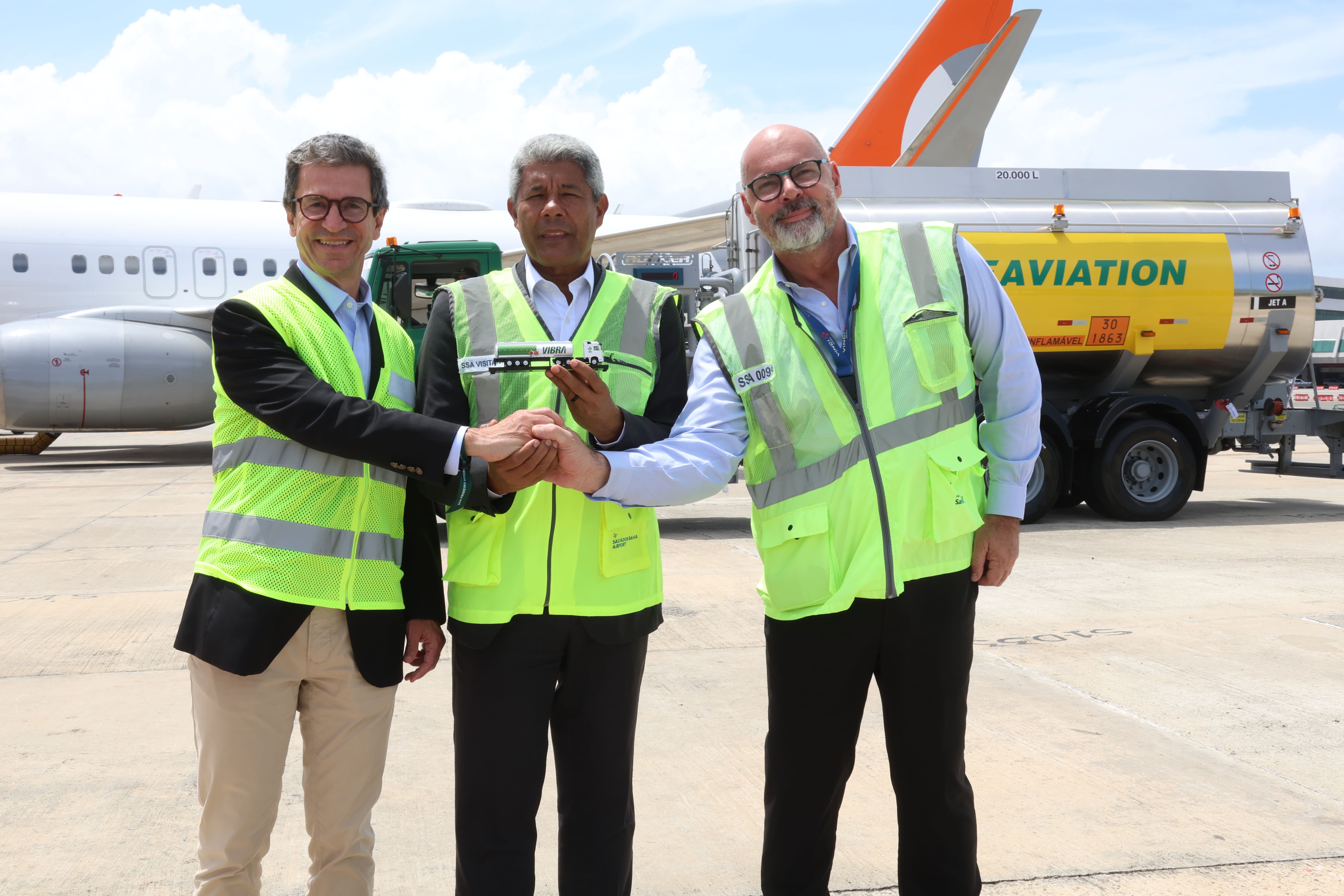
Bahia is taking a pioneering role in decarbonizing the aviation sector, as Salvador International Airport becomes the first in the country to operate commercial flights fueled with Sustainable Aviation Fuel (SAF). The operation, which begins this November and will run until December 2026, is the result of an initiative led by the Government of the State of Bahia in partnership with Vibra, reinforcing the state’s leadership in Brazil’s energy transition agenda. With this pioneering effort, Salvador Airport becomes the first in the country to use sustainable aviation fuel in commercial operations.
The initiative reinforces Vibra’s position at the forefront of concrete decarbonization solutions. The company was the first to import SAF on a commercial scale and make the product available in the domestic market. With full traceability and compliance with international sustainability criteria, the operation and storage are centralized at its base in Galeão, which holds ISCC EU and ISCC CORSIA certifications. From there, the product was transported to the capital of Bahia. The SAF is supplied by BR Aviation, Vibra’s business unit responsible for aircraft fueling services at more than 90 Brazilian airports, and has the potential to reduce greenhouse gas emissions by up to 80%.
Salvador Bahia Airport highlights its environmental leadership as the first airport in the Americas to achieve the highest level of the Airport Carbon Accreditation program (ACA 5). This global recognition confirms that the terminal follows advanced carbon management and reduction practices aligned with international decarbonization goals. The certification adds to the launch of regular SAF operations, solidifying Salvador as a continental benchmark in airport sustainability.
Governor Jerônimo Rodrigues notes that Bahia is already one of the most advanced states in the country in green technologies, especially in the automotive, renewable energy, and emerging industries sectors. “Bahia has made great progress in producing clean energy and building a more sustainable future, where development and social justice advance together,” he said. “At COP 30, we made clear that the state government aligns with Brazil’s stance on everyone’s responsibility in the climate crisis,” he added.
As the largest distributor of fuels and biofuels in the country, Vibra is committed to contributing to an efficient energy transition by strengthening infrastructure, expanding access to energy, and driving solutions that combine competitiveness and sustainability.
Ernesto Pousada, CEO of Vibra, expressed his satisfaction with the project: “The greatest energy transformation happening in Brazil today is driven by renewable liquid fuels. Being the first company to commercialize SAF in Brazil was no coincidence. It was a strategic decision and the courage to anticipate the future. This partnership with the state of Bahia makes us proud and reinforces Vibra’s commitment to decarbonization.”
Julio Ribas, CEO of VINCI Airports in Brazil, which operates Salvador Bahia Airport, emphasizes that regular use of SAF represents another decisive step toward sustainable aviation in Brazil: “SAF is currently the most effective tool to reduce emissions in commercial aviation. Being able to offer flights fueled with SAF in Salvador on a continuous basis places Bahia at the forefront of the energy transition and reinforces our commitment to transforming passenger journeys with increasingly sustainable solutions.”
How the Operation Will Work
SAF will be used on two daily departing flights from Salvador—one operated by Gol Linhas Aéreas and the other by LATAM Airlines Brasil—marking a historic milestone for Brazilian aviation. At Salvador Airport, the fuel used will be a blend of 10% pure SAF and 90% fossil fuel, enabling passengers to board flights with reduced CO₂ emissions. This is the highest blend with pure SAF ever used in fueling operations in Brazilian aviation. The pure SAF (100% SAF) imported by Vibra is currently the only one available in Brazil and is produced in Asia from used cooking oil (UCO), one of the lowest-carbon-intensity feedstocks because it is a waste product.
Produced from renewable sources, SAF reduces greenhouse gas emissions by about 80% compared to conventional jet fuel. The use of SAF in Salvador will contribute to reducing carbon emissions on flights fueled by Vibra.
With these two daily flights fueled with SAF, Salvador becomes the starting point of a new phase in the Brazilian aviation market, where sustainable development is already a reality.
More photos and videos available at: http://bit.ly/4ahwpgf
About Vibra
A leader in the Brazilian fuel and lubricants distribution market, Vibra is now a multi-energy platform offering solutions beyond traditional fuels, meeting customers’ energy needs while following the sector’s best ESG practices. Over the past few years, more than R$7 billion have been invested in energy transition projects, aiming for a portfolio of renewable and decarbonization solutions. Vibra’s ecosystem includes Comerc, Evolua, and EzVolt. In the automotive sector, Vibra holds the license for the Petrobras brand, operating a network of around 8,000 service stations nationwide, including BR Mania and Lubrax+ franchises. Present in all regions, it serves more than 30 million consumers per month and holds a 31% share of the branded fuel station market. The company also supplies more than 10,400 clients at 30,000 consumption points across sectors such as aviation, transportation, industry, mining, chemicals, and agribusiness. With BR Aviation—the absolute leader in the Brazilian aviation segment—Vibra fuels 6 out of every 10 aircraft in more than 90 airports. A reference in lubricants, Vibra operates the largest manufacturing plant in Latin America and is nationally recognized for the Lubrax brand. As part of its ESG strategy, the company has adopted the fight against sexual violence against children and adolescents as a priority cause, establishing it as a core pillar of its social commitments. For more information about Vibra, click here.
About Salvador Bahia Airport
Located in the capital of the state of Bahia, Salvador Bahia Airport is the first concession of the VINCI Airports network in Brazil, which took over operations on January 2, 2018. Since then, the airport has adopted global operational standards to provide more efficiency, safety, and an improved travel experience for passengers. With investments of R$700 million in modernization and expansion, the terminal increased its capacity by 50%, serving up to 15 million passengers per year. In addition, it received the Ethnic-Racial Diversity Seal from the Municipal Secretariat for Reparations in recognition of its efforts to combat institutional racism. Salvador Bahia Airport also stands out as the “Most Sustainable Airport in Brazil,” leading environmental preservation initiatives.
About VINCI Airports
VINCI Airports, the world leader in private airport operations, manages over 70 airports in 13 countries. With its expertise as a global integrator, VINCI Airports develops, finances, builds, and operates airports, offering its investment capacity and know-how to enhance operational performance, modernize infrastructure, manage airport operations, and lead environmental transition efforts. VINCI Airports was the first airport operator to commit to an international environmental strategy in 2016, aiming to achieve net-zero emissions across its entire network by 2050.

See our latest news
29 de Setembro de 2026
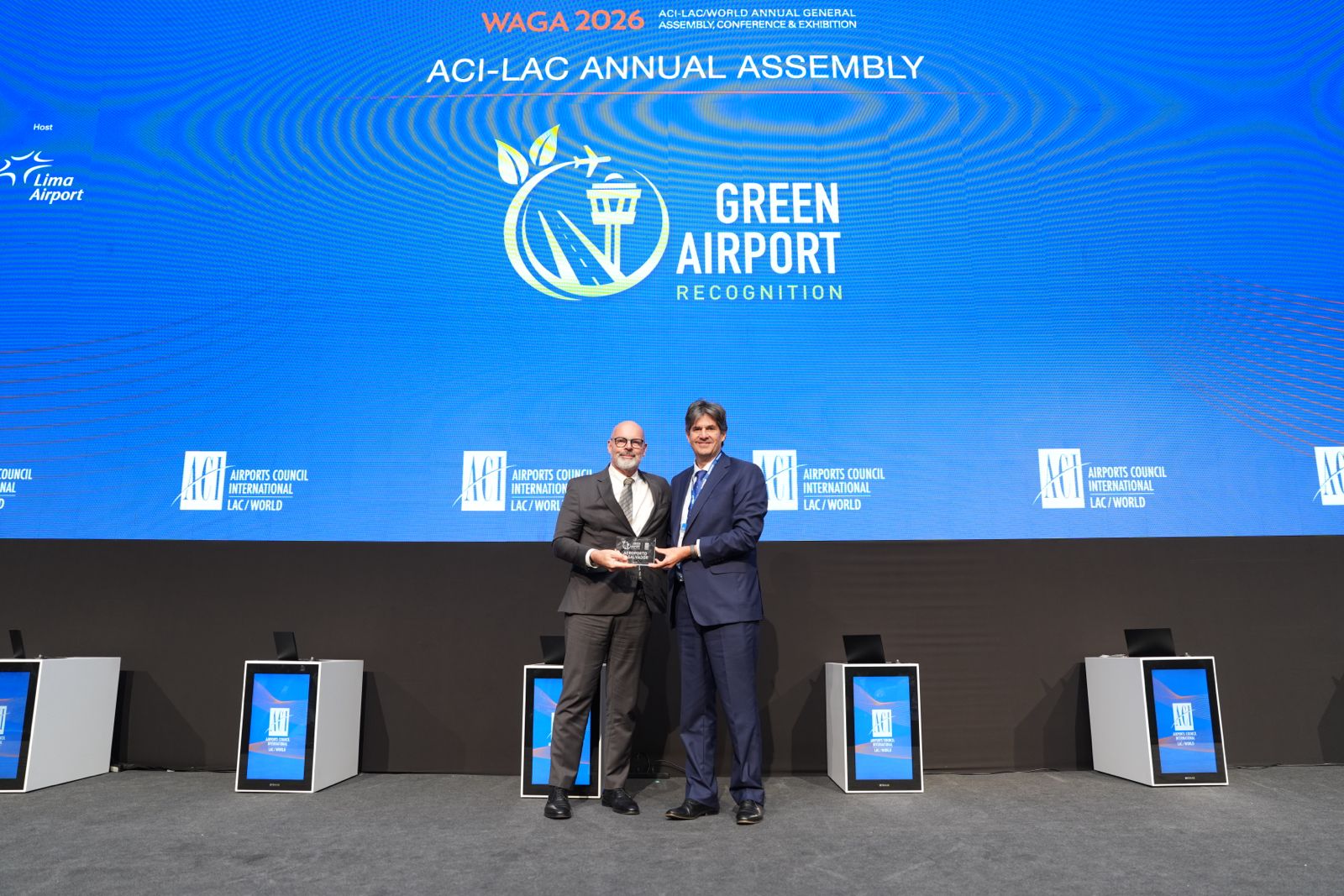
Bahia Airport receives international recognition from ACI for data-driven decarbonization strategy

17 de Setembro de 2026
Salvador Bahia Airport Conducts Full-Scale Aircraft Accident Exercise at Porto da Barra Beach
14 de Setembro de 2026
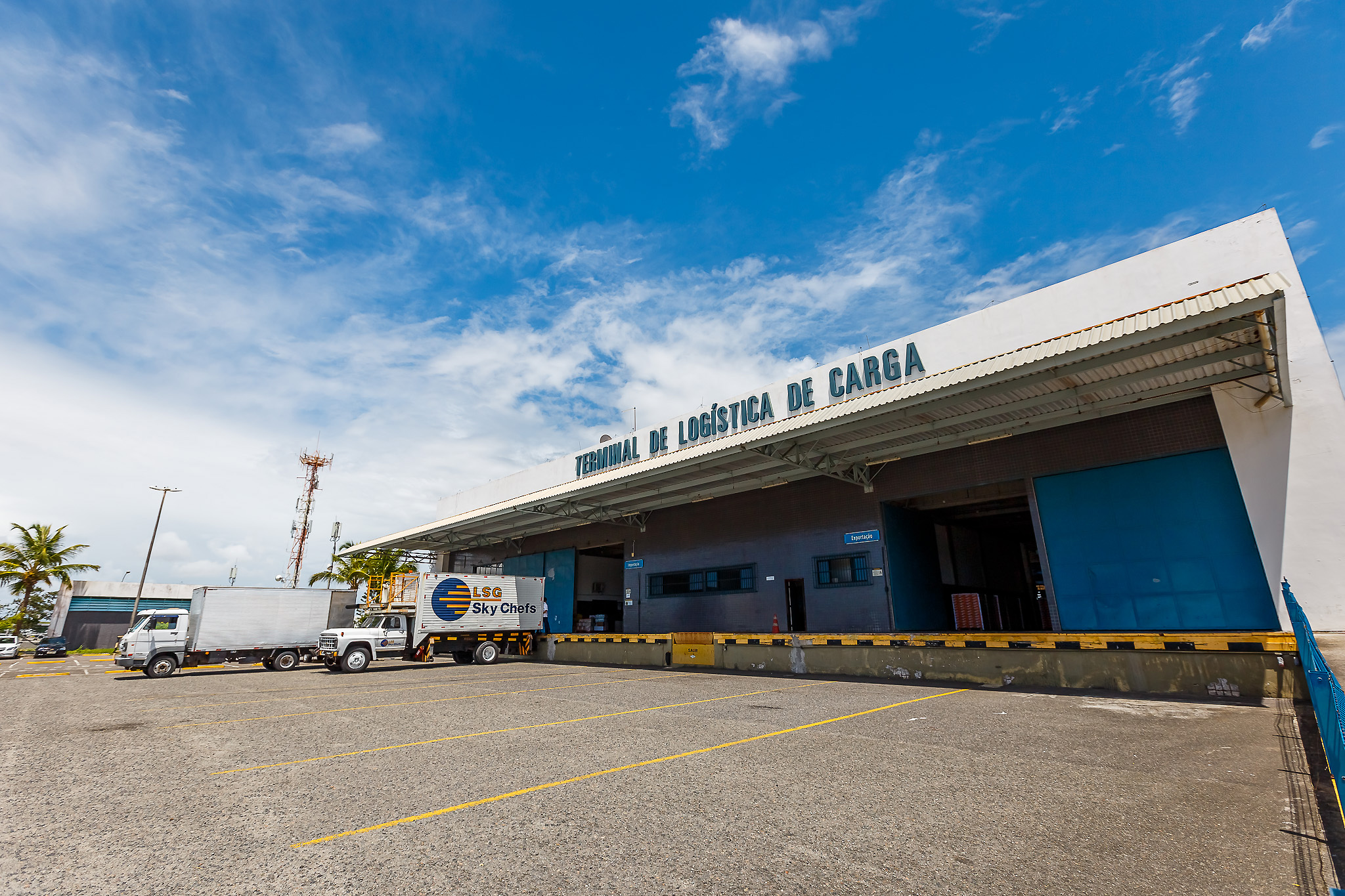
Salvador Airport Cargo Terminal Records Highest Volume of 2026 in July
Contact
Assessoria de Comunicação – Comunicativa
Contato: Eduardo Bittencourt / Graziella Garcia
📞 +55 (71) 98221‑6166 / 98133‑4070
✉️ eduardo@comunicativaassociados.com.br
✉️ graziella@comunicativaassociados.com.br