

Lumi
Accessibility Program for Invisible Conditions
Lighting the way to a more independent airport experience.
Lumi is the accessibility program developed by VINCI Airports in Brazil for passengers with invisible conditions.
The initiative is based on the understanding that not all needs are visible. In an airport environment, with its many stimuli and travel processes, these needs can significantly impact the passenger experience.
The program focuses on adapting the environment, preparing airport teams, and providing information that helps passengers navigate their journey with greater confidence, comfort, and independence.
What Are Invisible Disabilities?
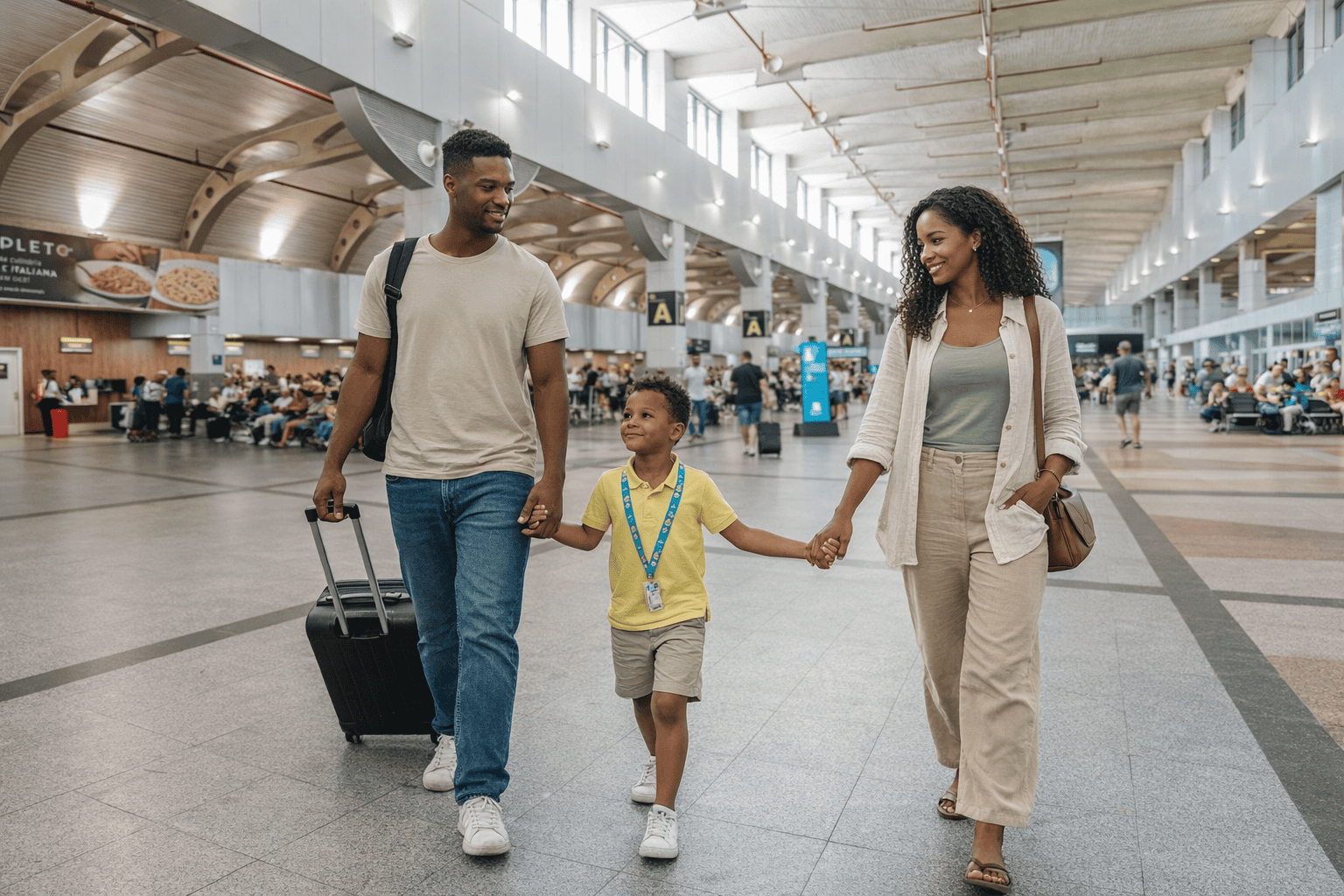
Not all disabilities are visible. Some people face challenges that may not be immediately apparent to others, yet they may still require support, understanding, and accommodations.
Invisible conditions are those that cannot be identified at first glance but can influence how a person perceives and interacts with their environment.
These may include Autism Spectrum Disorder (ASD), Attention-Deficit/Hyperactivity Disorder (ADHD), anxiety disorders, fibromyalgia, and other cognitive or sensory conditions.
In an airport environment, these factors may affect a passenger’s ability to understand travel procedures, navigate the terminal, or respond to stimuli such as noise, crowds, and movement. As a result, passengers may experience sensory overload, heightened anxiety, difficulty understanding instructions, disorientation, or slower response times.
How does lumi support passengers at the airport?
Lumi makes the airport experience more accessible by focusing on people, inclusion, and respect for each passenger’s independence.
The program combines environmental adaptations, staff training, and the provision of information that helps create a more predictable and comfortable journey.
Its initiatives include a multisensory room designed to reduce sensory stimulation, staff training to provide more supportive and inclusive assistance, and guidance materials that help passengers prepare for each stage of their journey.
Lumi also promotes guided airport visits for neurodivergent individuals, helping to build confidence, encourage independence, and support a safer and more comfortable travel experience.
This initiative reinforces our commitment to connecting people and transforming experiences by placing passengers at the heart of everything we do.
How Can You Indicate That You May Need Support?
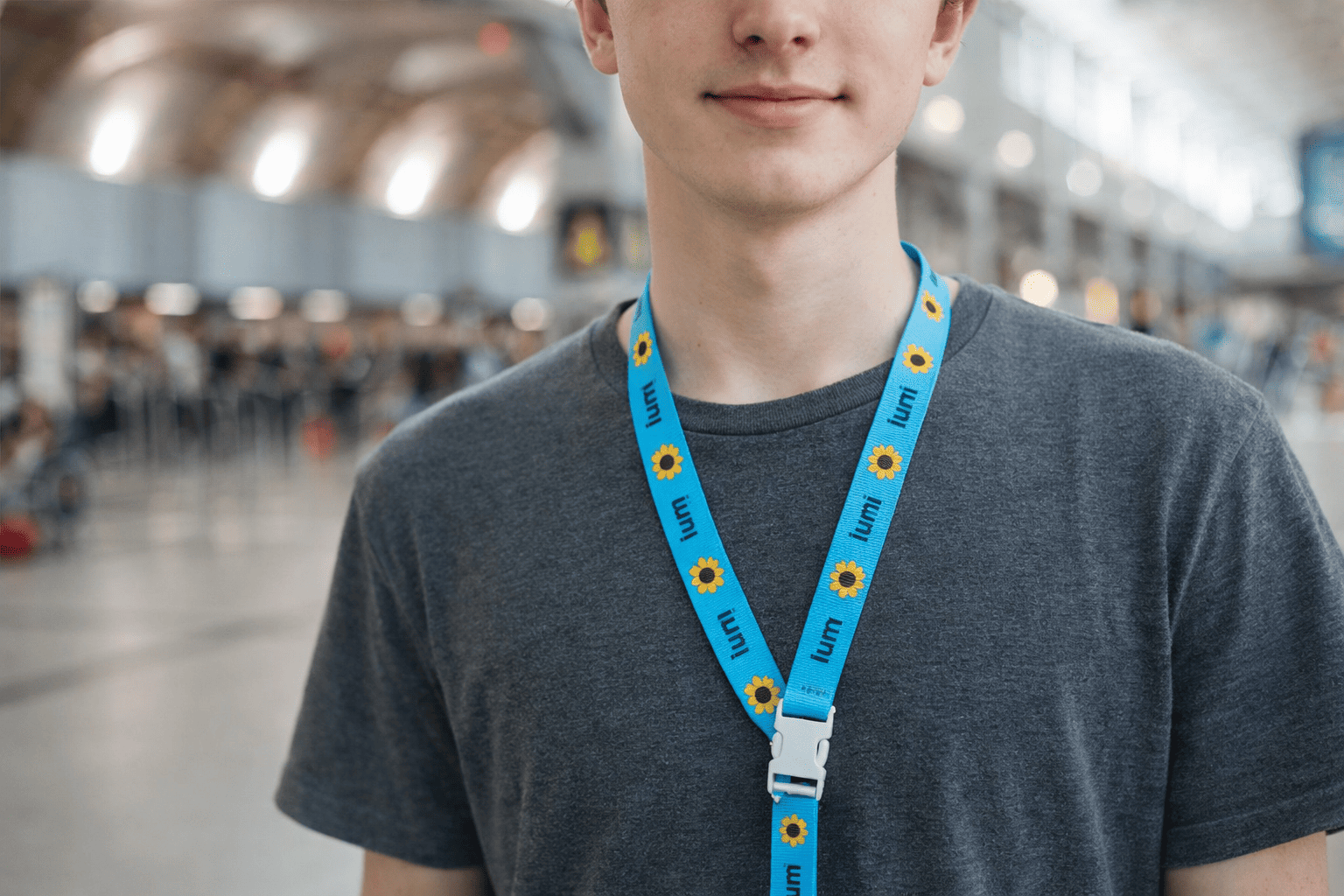
Salvador Bahia Airport provides, free of charge, a Sunflower Lanyard as part of the LUMI program. The lanyard can be requested from the airport administration.
This item allows passengers with invisible conditions to voluntarily and discreetly indicate that they may need additional time, assistance, or support during their journey.
Necklaces, lanyards, badges, or keychains displaying the internationally recognized sunflower symbol—as well as other symbols, such as the infinity symbol or the puzzle piece—may also be used throughout the airport.
Our teams are trained to recognize these identifiers and provide appropriate support throughout the passenger journey.
More information on how to obtain this item will be available soon.
Multisensory Room: Greater Comfort Throughout Your Journey
The Multisensory Room is a low-stimulation environment designed to provide passengers with a space for rest, self-regulation, and comfort during their airport journey.
Located in the departures area, on the way to Gates 18–26 and near the VIP Lounge, the room is currently being implemented.
The space features soft lighting, reduced noise levels, and sensory resources designed to promote well-being, emotional balance, and a more comfortable travel experience.
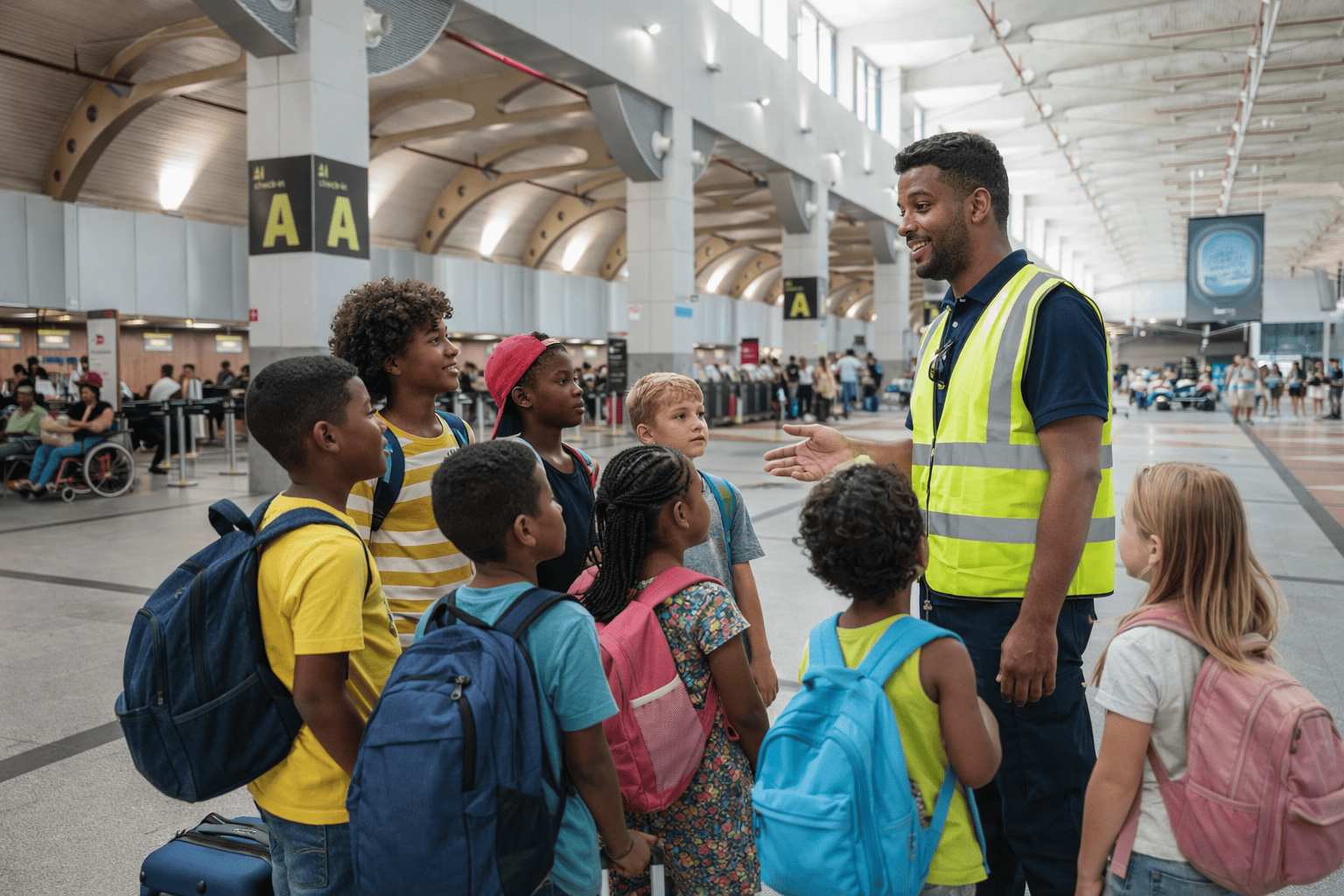
Airport Visit Program
The LUMI Visit Program helps children and teenagers with Autism Spectrum Disorder (ASD) prepare for the experience of air travel, encouraging the development of independence and social skills in a safe and welcoming environment.
The program includes an adapted introductory presentation, a full simulation of the airport journey—including check-in, security screening, terminal navigation, and boarding—as well as a behind-the-scenes tour of airport operations, such as the aircraft apron and baggage handling area.
The initiative also helps raise awareness of ASD and supports the continuous improvement of airport facilities and services for people with invisible conditions.
Passenger Assistance Responsibilities
Lumi does not provide individual passenger assistance or escort services.
In accordance with ANAC Resolution No. 280, assistance for passengers requiring special support (Passengers with Special Assistance Needs – PSAN) from check-in through disembarkation is the responsibility of the airline.
Lumi focuses on improving the airport environment and preparing airport staff to provide a more welcoming and inclusive experience.
When individual assistance is required, passengers should contact their airline directly, as it is responsible for providing this type of support throughout the journey.
Downloadable Resources
Helpful guides and materials to support travel planning and provide a clearer understanding of each step of the airport journey.