

News
Stay up to date with airport news
Institucional
Sustentabilidade
Environment: Salvador Bahia Airport Leads the Use of Sustainable Aviation Fuel in Brazil
08 de Junho de 2026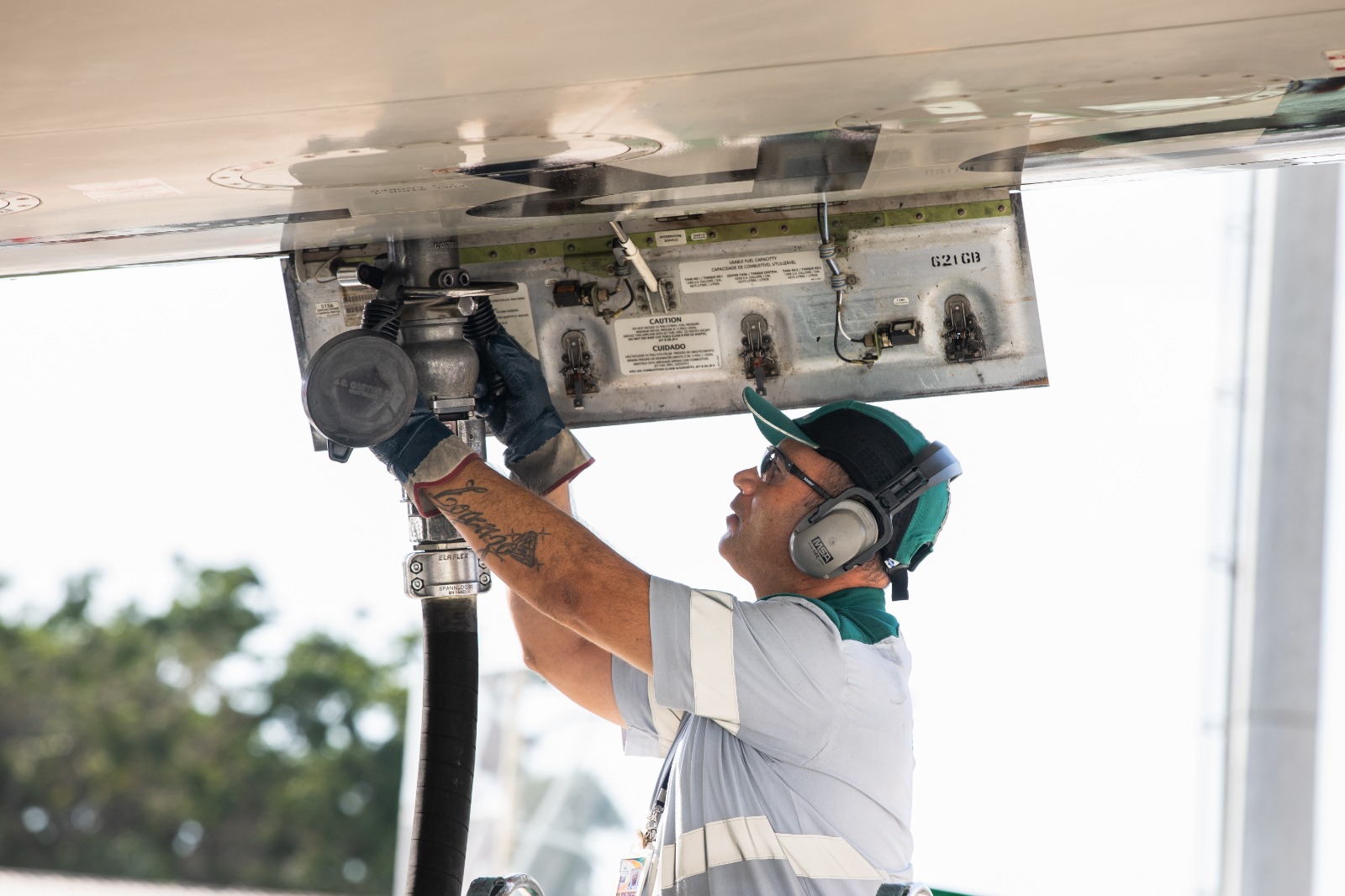
Salvador Bahia Airport, part of the VINCI Airports network, has taken another significant step in its sustainability agenda by expanding the use of cleaner fuel in airport operations. Since December 2025, two daily flights departing from Salvador have been operating with a fuel blend containing 10% pure Sustainable Aviation Fuel (SAF) and 90% conventional fossil-based jet fuel — the highest SAF blend ratio currently available in Brazilian aviation.
The operation is expected to continue in this format until December 2026, supporting the targets established under Brazil’s Future Fuel Law, which mandates a minimum SAF adoption rate of 1% starting in 2027. Throughout 2026, the total volume supplied is projected to reach 5,000 cubic meters. The initiative strengthens the airport’s decarbonization strategy and contributes to maintaining its ACA Level 5 certification, the aviation industry’s leading international standard for carbon management and emissions reduction.
The fuel used in the operation is produced from Used Cooking Oil (UCO), a feedstock considered more sustainable due to its ability to significantly reduce carbon emissions throughout the production cycle. Manufactured in Asia, the fuel is imported by Vibra, which is also responsible for storage logistics and for ensuring International Sustainability and Carbon Certification (ISCC) compliance before shipment to Salvador.
According to Alessandra Reis, Environmental Manager for VINCI Airports in Brazil, the initiative represents an important step toward decarbonizing the aviation sector.
"The adoption of more sustainable fuels reinforces our commitment to reducing emissions and building an increasingly efficient operation aligned with the ongoing transformation of global aviation. This initiative is fully aligned with VINCI Airports’ global commitments, which include reducing emissions by 66% by 2030 and achieving net-zero emissions by 2050, contributing to the environmental transformation of the air transport sector," she said.
In addition to aviation operations, the airport has also launched studies to test the use of biodiesel in operational equipment across the terminal. If the results prove successful, the initiative is expected to be gradually expanded to the entire operational fleet.
International Certification and Sustainability Agenda
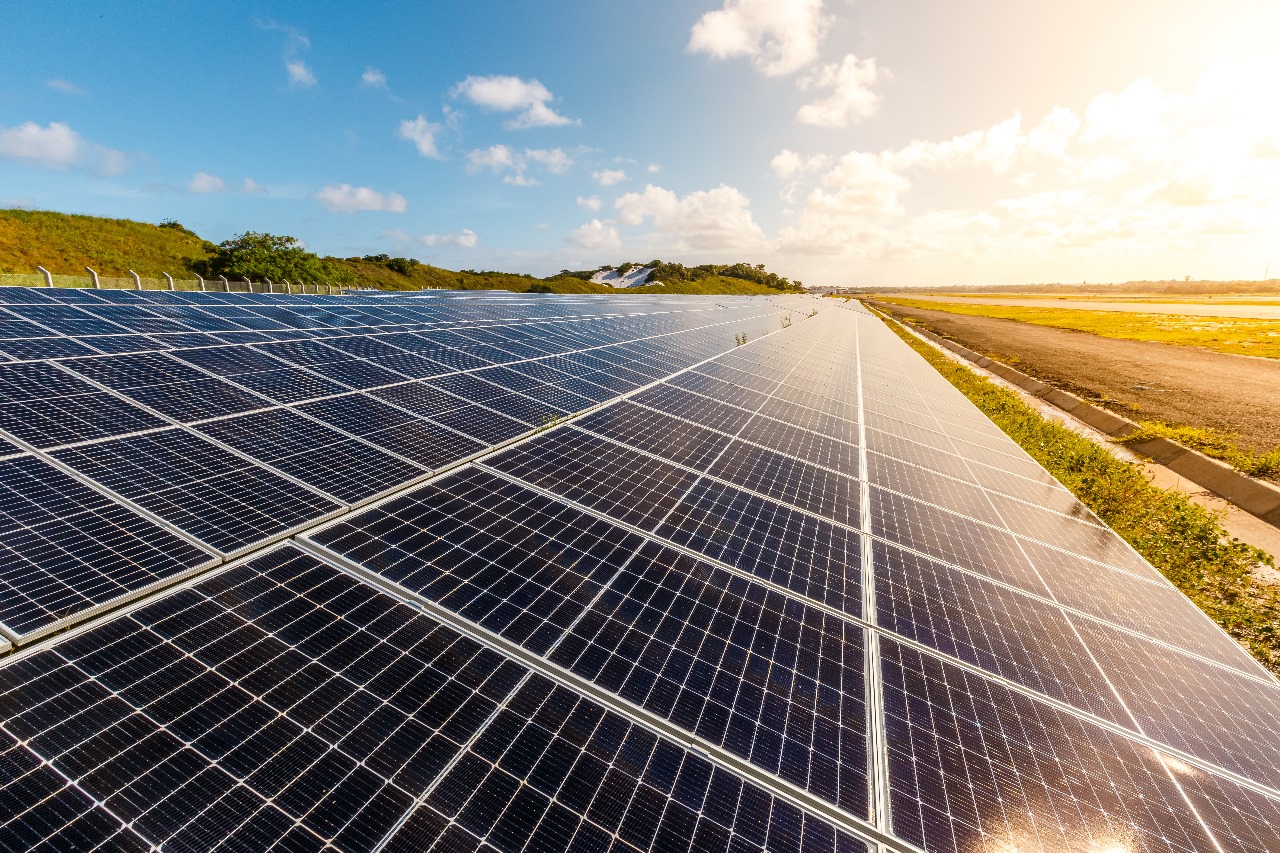
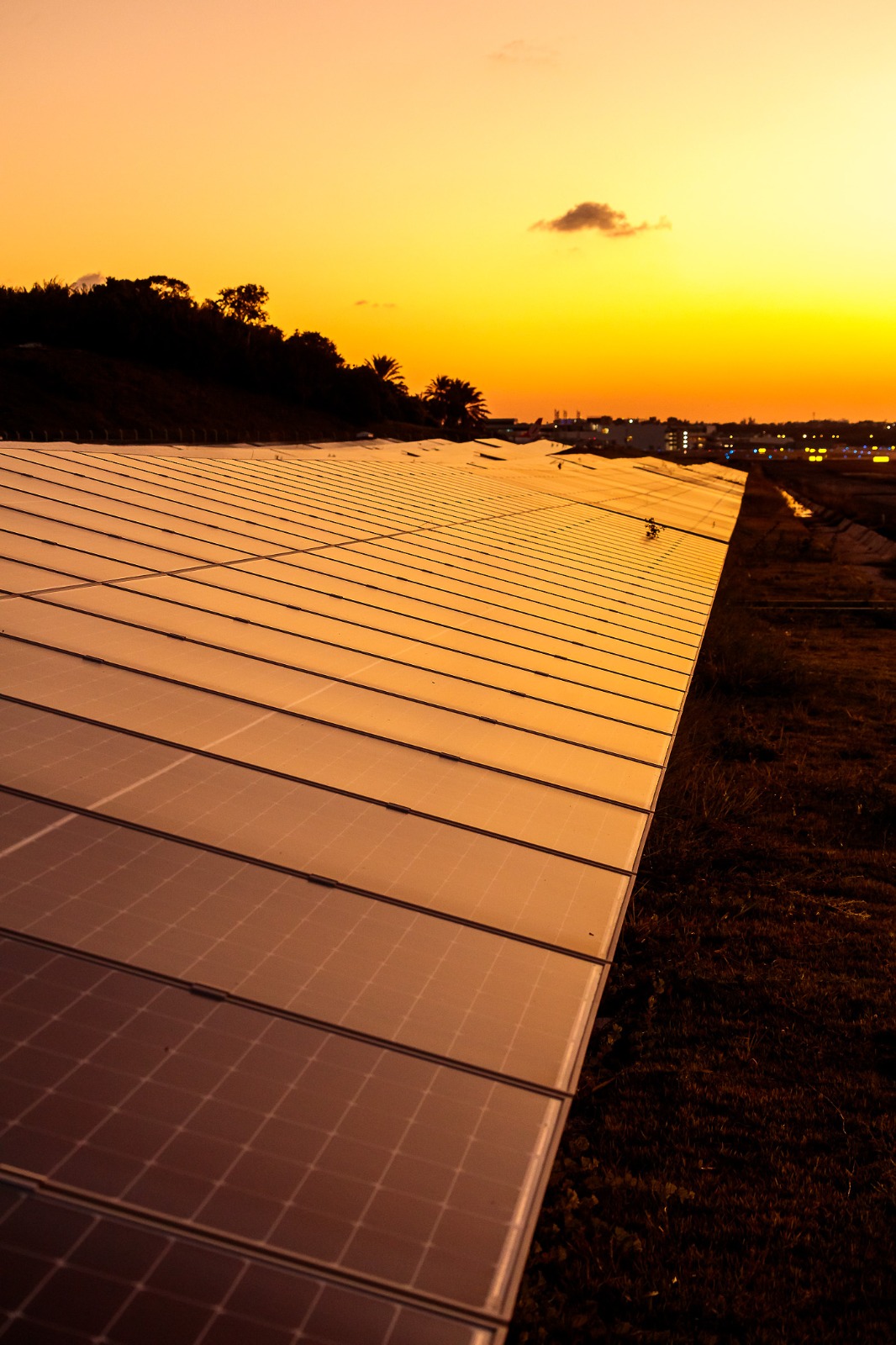
In 2025, Salvador Bahia Airport became the first airport in Brazil and across the Americas to achieve Level 5 of the Airport Carbon Accreditation (ACA) program, the highest international carbon management certification awarded by the Airports Council International (ACI). The recognition reflects achievements such as the use of 100% renewable electricity, two on-site solar power plants, and a 90% reduction in direct carbon emissions compared to 2018 levels.
The airport also holds ISO 14001 certification and has implemented pioneering initiatives, including a zero-waste-to-landfill management strategy, water reuse systems, and the use of drones for operational monitoring, helping reduce CO₂ emissions while improving operational efficiency.

See our latest news
29 de Setembro de 2026
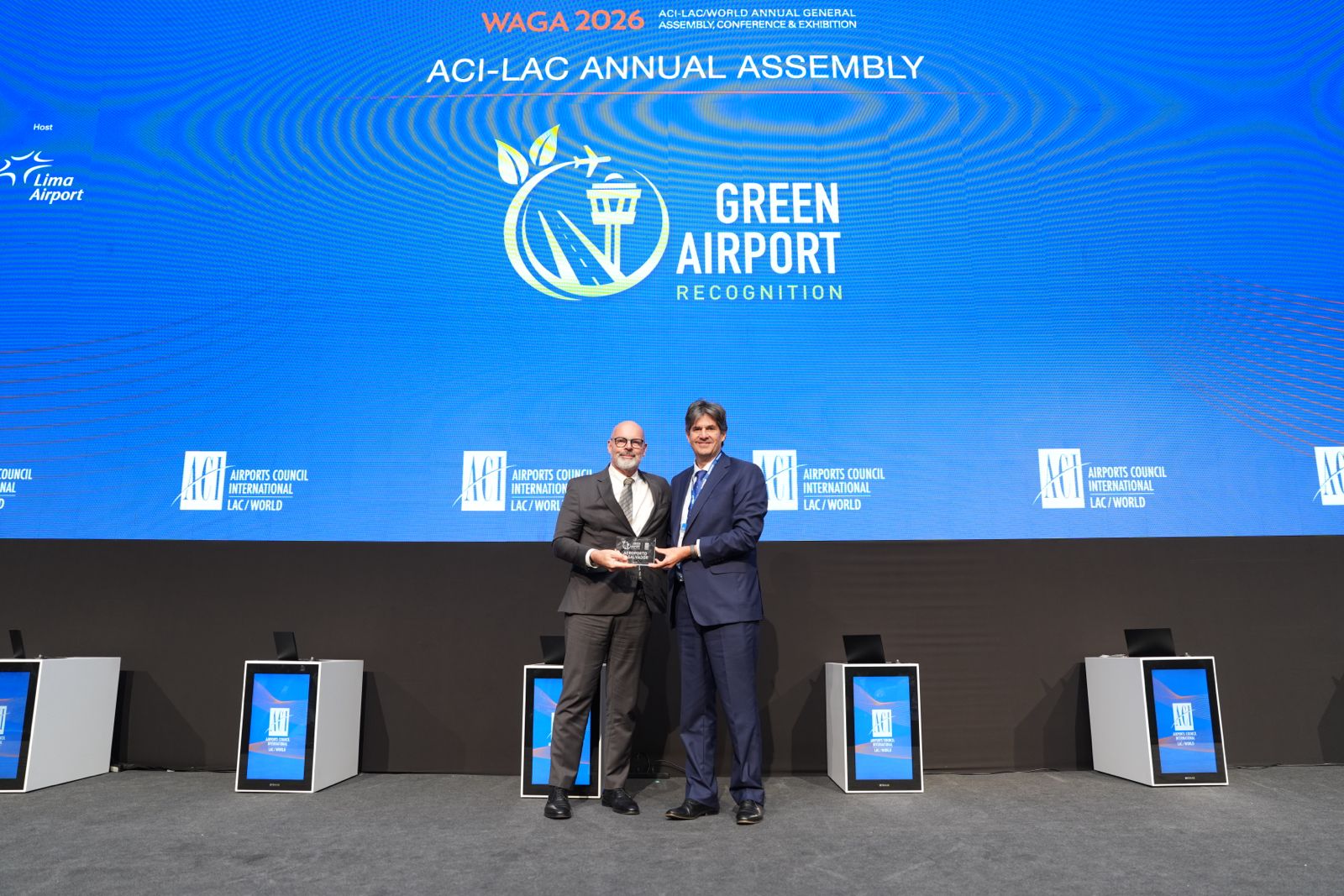
Bahia Airport receives international recognition from ACI for data-driven decarbonization strategy
17 de Setembro de 2026
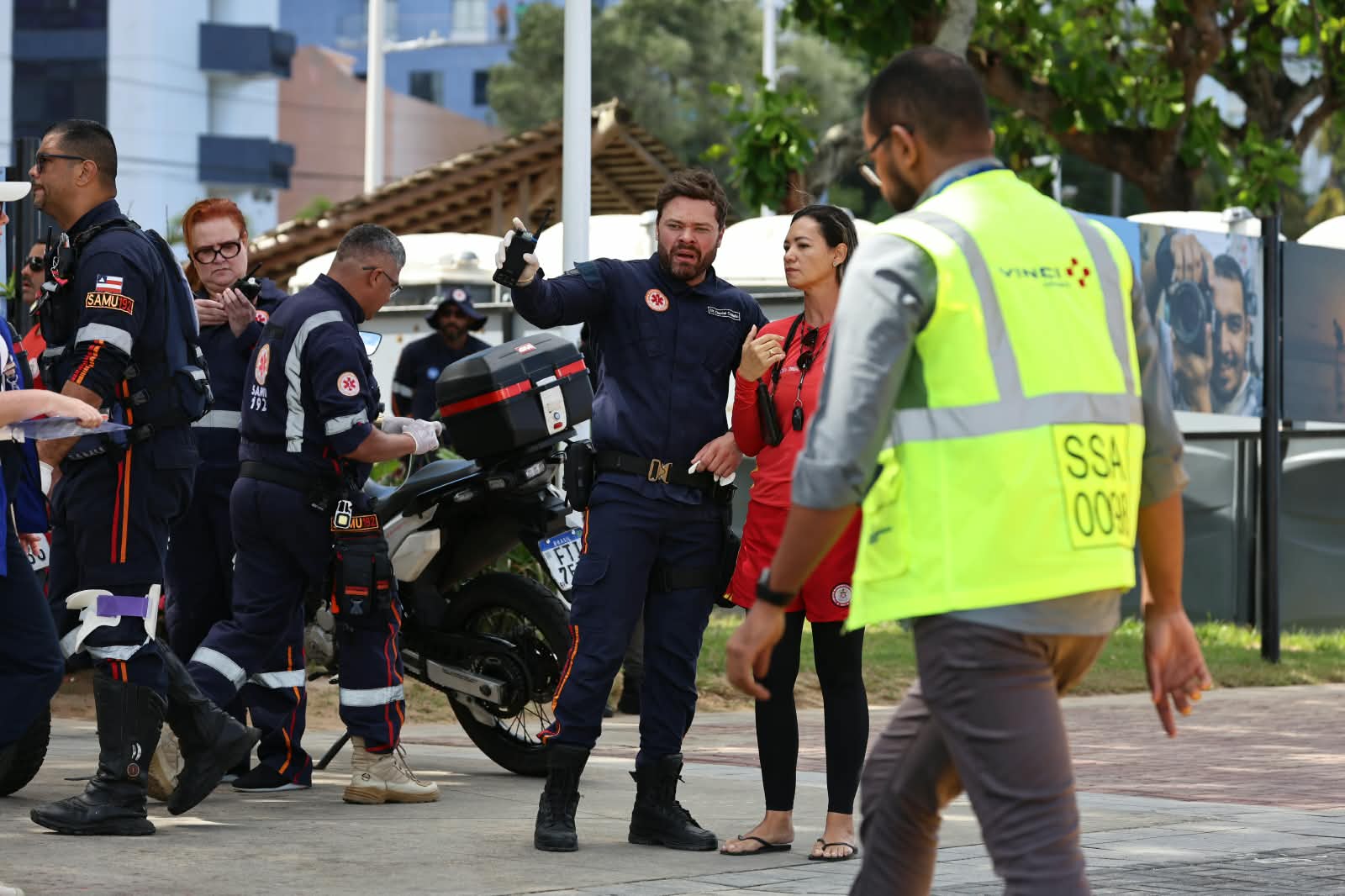
Salvador Bahia Airport Conducts Full-Scale Aircraft Accident Exercise at Porto da Barra Beach
14 de Setembro de 2026
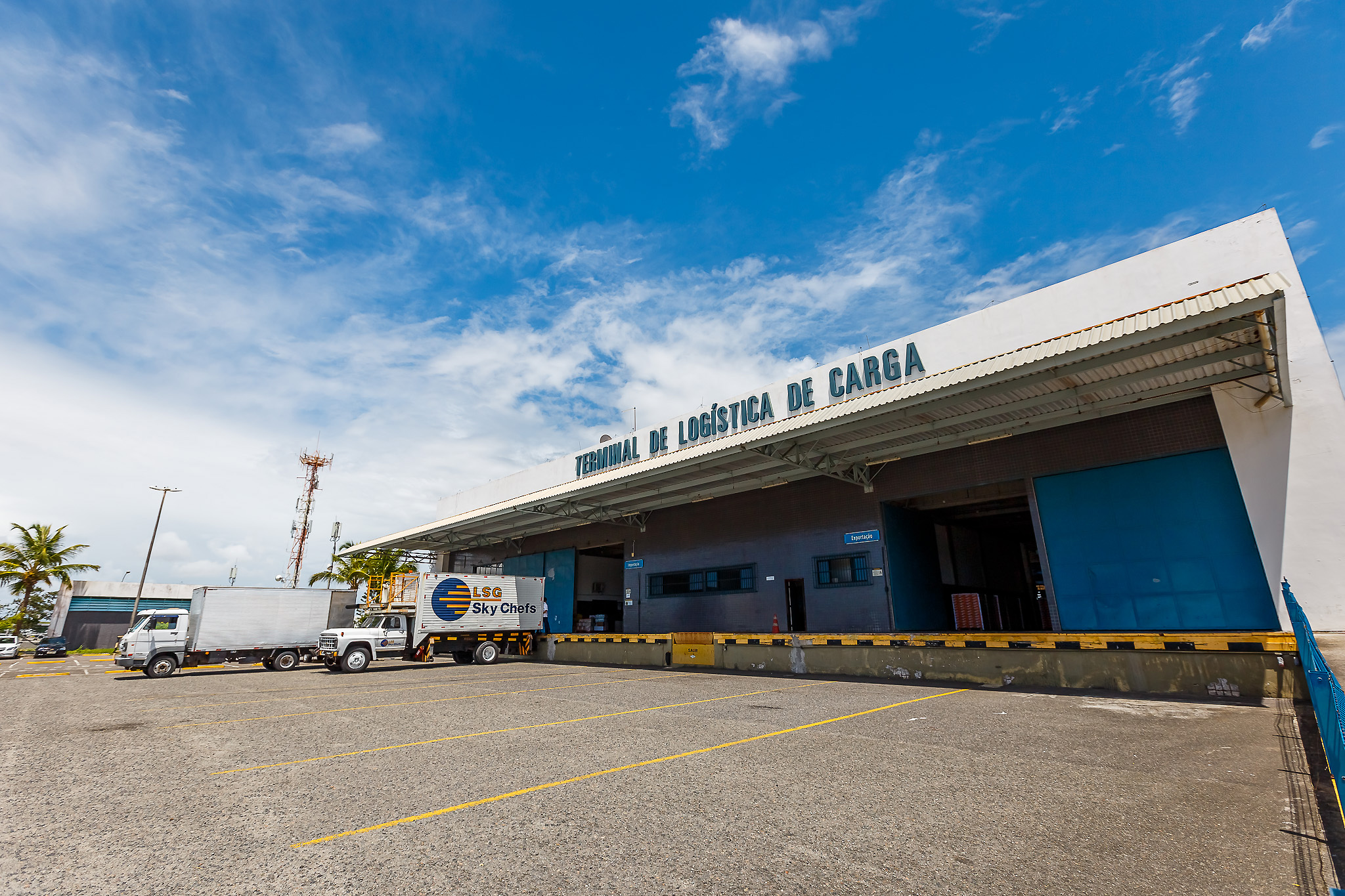
Salvador Airport Cargo Terminal Records Highest Volume of 2026 in July
Contact
Assessoria de Comunicação – Comunicativa
Contato: Eduardo Bittencourt / Graziella Garcia
📞 +55 (71) 98221‑6166 / 98133‑4070
✉️ eduardo@comunicativaassociados.com.br
✉️ graziella@comunicativaassociados.com.br