

News
Stay up to date with airport news
Institucional
More than 95% of Kiss & Fly accesses took place within 10 minutes in Salvador
28 de Maio de 2026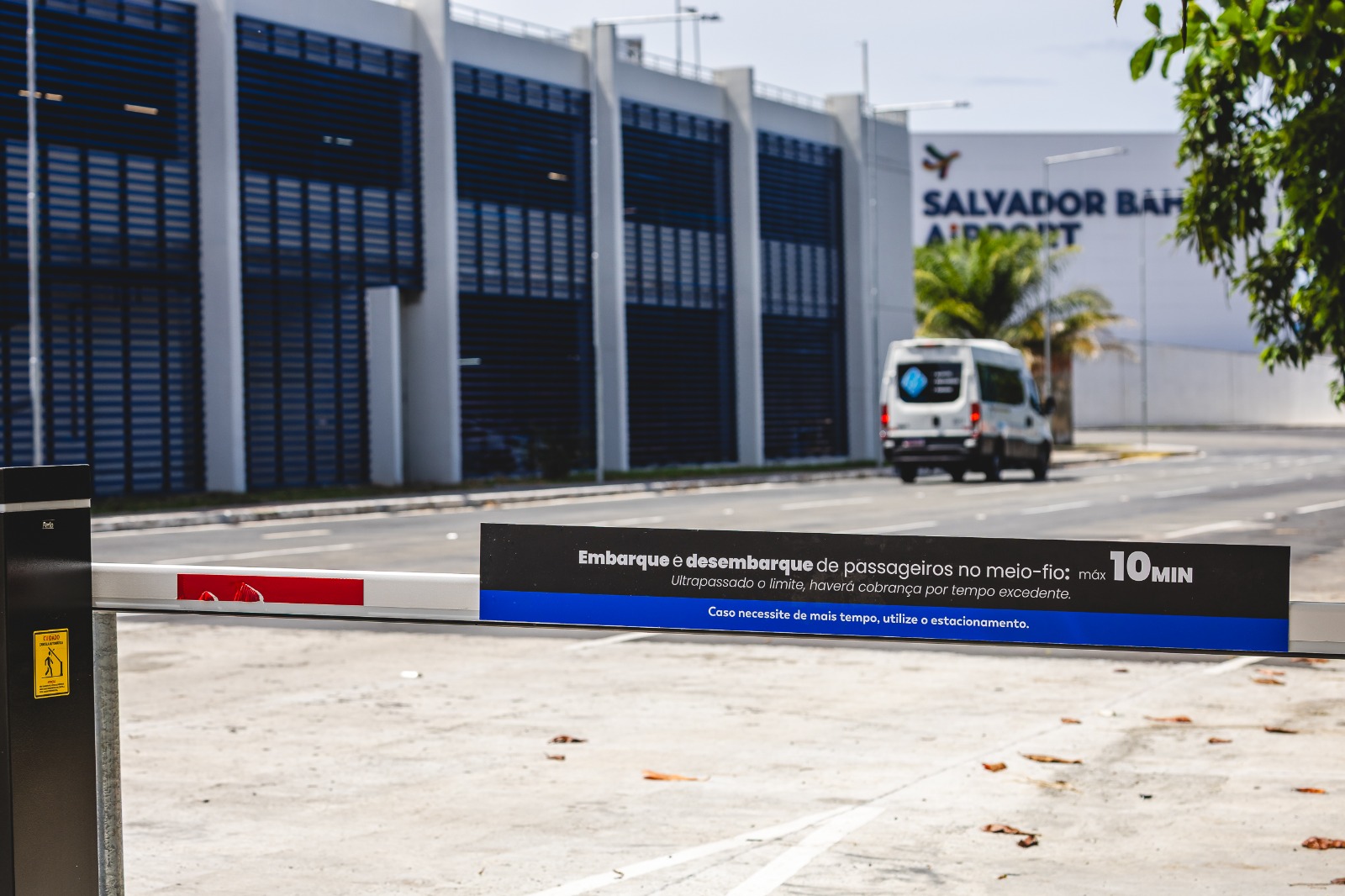
After the first assessment by Salvador Bahia Airport, May data highlight users’ adherence to the Kiss & Fly model and the usage dynamics of the terminal curbside. During the period, 445,711 vehicle accesses were recorded in the quick pick-up and drop-off area, and more than 95% of stays occurred within the limit of up to 10 minutes established for use of the space.
The volume reinforces the dynamic nature of the operation: 94.1% of accesses correspond to cars and 5.9% to motorcycles. The average length of stay was 5.17 minutes, with 60.5% of vehicles using the space between 2 and 4 minutes, reinforcing that the system efficiently meets the predominant usage pattern at the terminal, with high turnover and traffic flow.
Traffic behavior also highlights the intensity of operations throughout the day, with the highest volume recorded between 9 a.m. and 3 p.m. During the nighttime period, an increase in average length of stay is observed, reaching variations between 6.3 and 6.5 minutes between 10 p.m. and 1 a.m., without compromising the overall dynamics of the system.
The result reinforces, in practice, the premise that supported the implementation of the project: for the vast majority of users, the stipulated time is sufficient to carry out the operation with comfort, safety, and fluidity. The system was also designed to curb improper occupation, irregular parking, and illegal transportation activity at terminal access points, contributing to better curbside organization.
“The data show that the project is fulfilling its main objective: organizing curbside use, preserving traffic flow at terminal access points, and increasing safety for passengers and drivers. The vast majority of vehicles use the area within the expected time, which confirms the model’s adherence to the airport’s operational routine,” says Julio Ribas, CEO of Salvador Bahia Airport.
New support area consolidates support structure for drivers
In parallel with the implementation of the barriers and the beginning of the Kiss & Fly testing phase, Salvador Bahia Airport also put into operation a new support area for ride-hailing drivers, regular taxis, and tourism vans. The space is part of a set of improvements focused on mobility, traffic flow organization, and safety around the terminal.
The support area has 315 parking spaces, all covered, and expands the structure available for professionals who operate daily at the terminal. For ride-hailing drivers, use is free of charge for up to 1 hour and 30 minutes, with the possibility of entering and leaving throughout the day. The space also includes four food service operations, selected among microentrepreneurs who already served drivers at the temporary support area, in addition to free Wi-Fi already in operation. The support area was structured to provide greater comfort, safety, and support during waiting times for new rides.
For general use of the space, drivers only need to complete a check-in registration. Uber and 99 platforms already have 150 guaranteed spaces in the support area, with 100 for Uber and 50 for 99. There are also 40 spaces allocated to regular taxis from the two cooperatives registered at the airport. As many taxi drivers also operate on digital platforms, the model increases operational flexibility: taxi drivers may choose either to access the support area through the apps’ virtual queue or join the taxi queue of the registered cooperatives.
This week, the space is also receiving a flight information display similar to those installed inside the terminal, allowing drivers to monitor arrivals and departures in real time. Improvements identified through daily operations are also ongoing, such as expanding the availability of power outlets for charging mobile phones and providing tables and chairs for drivers’ meals.
At the same time, Salvador Bahia Airport is advancing with the requalification of curbside visual communication, with better identification of spaces designated for ride-hailing drivers, taxis, buses, and vans, in addition to reinforcing road signage and completing a camera monitoring system, which will contribute to combating illegal transportation and other irregularities.
Since the implementation of the project, the airport has maintained continuous dialogue with representatives of taxi and ride-hailing drivers in order to improve the Kiss & Fly operation and its support structures. The airport has already held meetings to expand this dialogue with audiences directly impacted by the project.
With the initial results and complementary improvements already in operation, Salvador Bahia Airport reinforces that Kiss & Fly is part of a broader strategy to organize mobility at terminal access points, focusing on safety, traffic flow, comfort, and availability of spaces for quick passenger pick-up and drop-off. The project adopts a solution already used at other airports and is aligned with best operational practices for airport curbside management.
About Salvador Bahia Airport
Located in the capital of the state of Bahia, Salvador Bahia Airport is the first concession in the VINCI Airports network in Brazil, which assumed operations on January 2, 2018. Since then, Salvador Airport has incorporated global operational standards, seeking to offer greater efficiency, safety, and a better travel experience for its passengers. With an investment of R$ 700 million in modernization and expansion works at the terminal, it increased its capacity by 50%, serving up to 15 million passengers per year. In addition, it was recognized with the Ethnic-Racial Diversity Seal by the Municipal Secretariat of Reparation of Salvador due to initiatives to combat institutional racism. Salvador Bahia Airport also stands out as the “Most Sustainable Airport in Brazil,” leading environmental preservation initiatives.
About VINCI Airports
VINCI Airports, a global leader in private airport operations, operates more than 70 airports in 13 countries. Thanks to its expertise as a global integrator, VINCI Airports develops, finances, builds, and manages airports, providing its investment capacity and know-how in optimizing operational performance, modernizing infrastructure, managing operations, and driving environmental transition. VINCI Airports was the first airport operator to commit to an international environmental strategy in 2016, aiming to achieve net zero emissions across its entire network by 2050.
For more information:

See our latest news
17 de Setembro de 2026
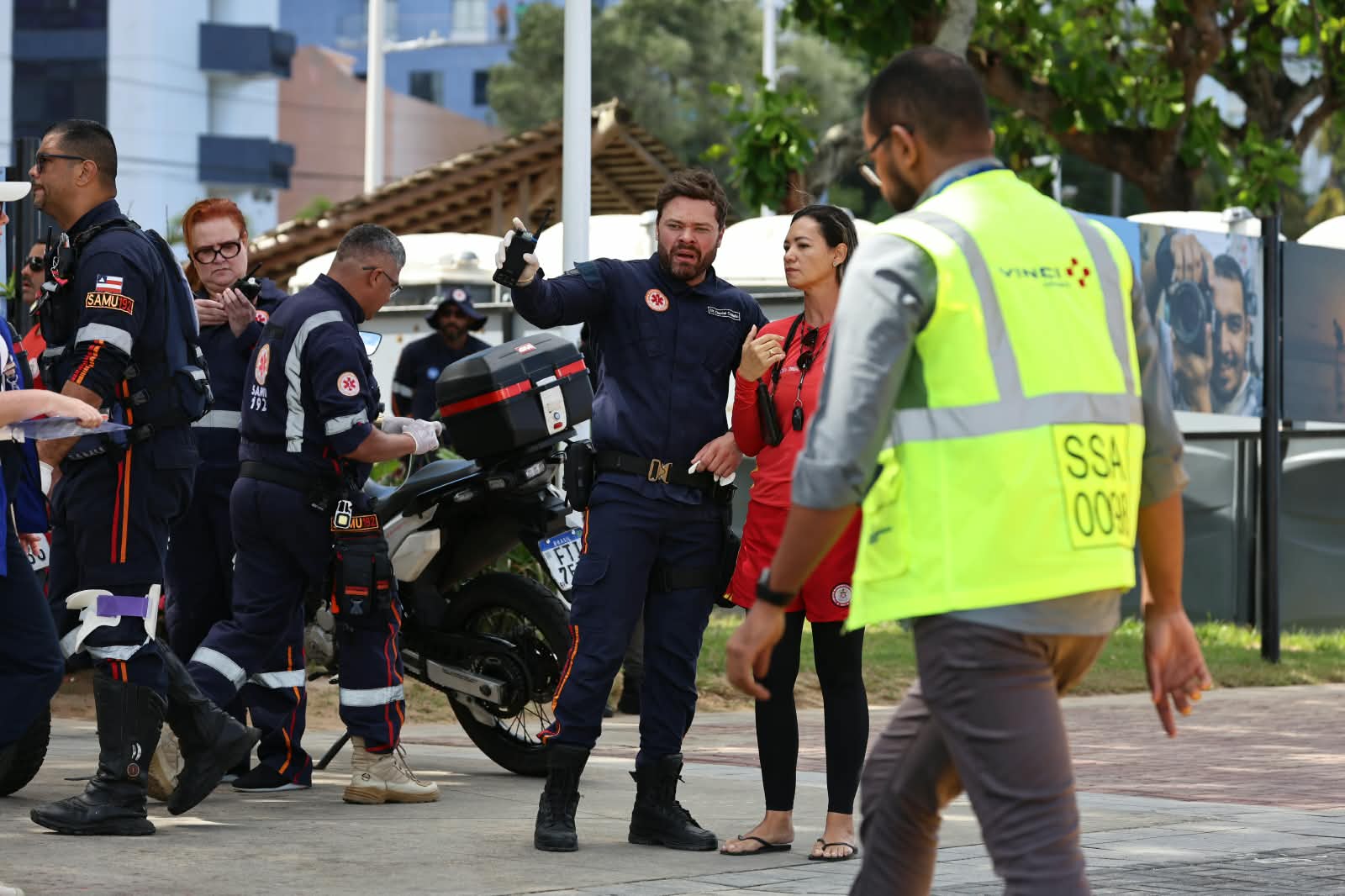
Salvador Bahia Airport Conducts Full-Scale Aircraft Accident Exercise at Porto da Barra Beach
14 de Setembro de 2026
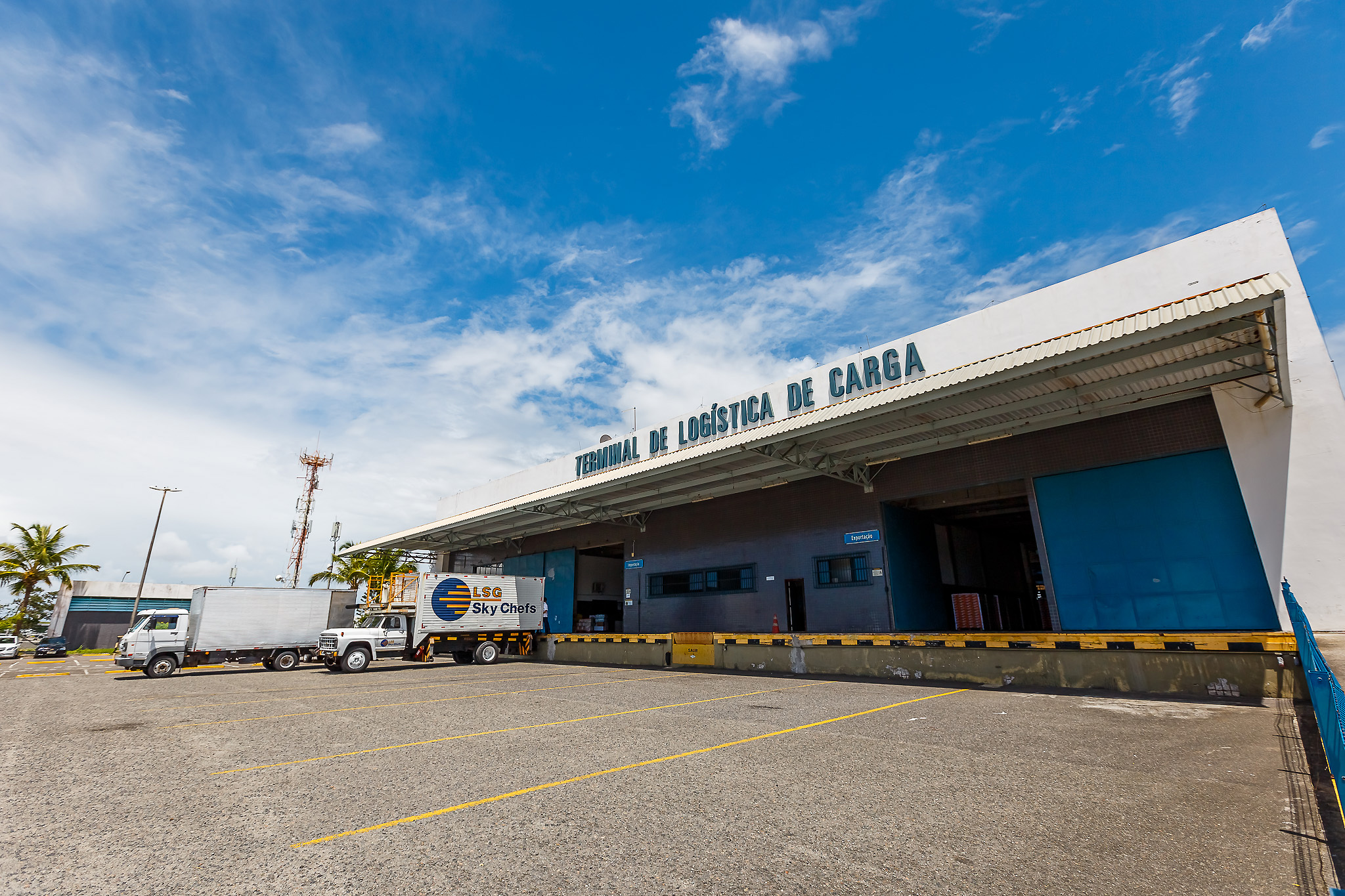
Salvador Airport Cargo Terminal Records Highest Volume of 2026 in July

09 de Setembro de 2026
Salvador Bahia Airport introduces unprecedented structure among Brazilian airports for emergency coordination
Contact
Assessoria de Comunicação – Comunicativa
Contato: Eduardo Bittencourt / Graziella Garcia
📞 +55 (71) 98221‑6166 / 98133‑4070
✉️ eduardo@comunicativaassociados.com.br
✉️ graziella@comunicativaassociados.com.br